Deno’s GardenMy Garden

Celtis tenuifolia

Genus Celtis

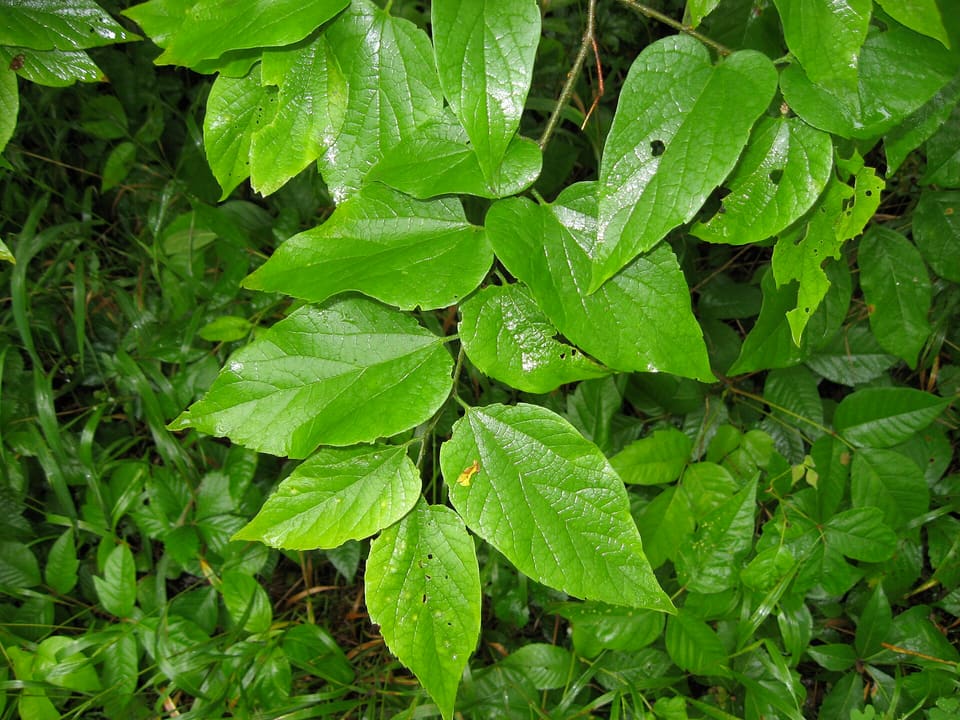
A branch of lopsided pointed leaves with toothed edges and strongly marked veins, over low undergrowth
LeafMason Brock (Masebrock)Public domain

About the plant

What it is and where it grows — not part of any germination protocol.

The plant

Habit
Shrub, TreeExtension Gardener Plant Toolbox
Height
6-36 ft2-11 mExtension Gardener Plant Toolbox
Spread
8-15 ft2.4-4.6 mExtension Gardener Plant Toolbox
Flower
Green, Orange, Red/Burgundy, WhiteExtension Gardener Plant Toolbox
Blooms
SpringExtension Gardener Plant Toolbox
Hardiness zones
5-9Extension Gardener Plant Toolbox

Growing conditions

Sun
Full sun; Partial ShadeExtension Gardener Plant Toolbox
Soil
High Organic Matter, Loam (Silt), Sand, Shallow RockyExtension Gardener Plant Toolbox
Soil pH
Acid (<6.0), Alkaline (>8.0), Neutral (6.0-8.0)Extension Gardener Plant Toolbox
Moisture
Good Drainage, Moist, Occasionally Dry, Occasionally WetExtension Gardener Plant Toolbox

Toxicity is noted only where a source states it. No note here is not a finding of safety.

Source: Extension Gardener Plant Toolbox — NC State Extension.

This source reports 6 treatments. All are shown.

Protocol 1

DerivedN. C. Deno, 1993

Difficulty High Rated by us, not by the source.

Start around March 19, 2027 for a May 3 last frost. Too late for spring 2027 — that needed starting on March 18, 2025.

  1. Clean the flesh off the seed

  2. Leach in running water

    Duration: 7 days

    Washed and cleaned daily for 7 days.

  3. Cold moist stratification

    Duration: 90 daysTemperature: 40°F 4°C

  4. Warm moist stratification

    Duration: 90 daysTemperature: 70°F 21°C

    1 germinated in this phase.

  5. Cold moist stratification

    Duration: 90 daysTemperature: 40°F 4°C

    1 germinated in this phase.

  6. Warm moist stratification

    Duration: 90 daysTemperature: 70°F 21°C

    8 germinated in this phase.

  7. Cold moist stratification

    Duration: 90 daysTemperature: 40°F 4°C

    1 germinated in this phase.

  8. Warm moist stratification

    Duration: 90 daysTemperature: 70°F 21°C

    1 germinated in this phase.

  9. Cold moist stratification

    Duration: 90 daysTemperature: 40°F 4°C

  10. Warm moist stratification

    Duration: 90 daysTemperature: 70°F 21°C

  11. Cold moist stratification

    Duration: 90 daysTemperature: 40°F 4°C

  12. Warm moist stratification

    Duration: 90 daysTemperature: 70°F 21°C

    2 germinated in this phase.

Steps after step 10 run on after germination.

about 2 years from start to sowing. Germination time not stated; 21 days assumed.

29% germination.

Seed Germination Theory and Practice, 2nd ed. — N. C. Deno, 1993 · Ch. 20, Celtis p. 115Public domain
Show the original text
Celtis (Ljlmaceae). C. tenuifolia germ. best with seed DS 6 m at 40 and sown outdoors in May. This germ. 65% the following April and May. It is not just the outdoor treatment as fresh seed sown outdoors in November germ. only 2% the following May. The standard treatments gave germination that were not only low, but germination extended over at least nine alternating cycles with most of the germination occurring in bursts near the end of these extended alternating cycles. The data are 70- 40-70(2%)-40-70(6%)-40-70-40-70( 14%) and 40-70(1%)-40(1%)-70(8%)-40(1%)- 70(1 %)-40-70(29%)-40-70(2%) for fresh seed, 70(3%)-40-70-40-70-40-70( 13%) and 40-70-40-70(14%)-40-70(12%) for seed DS 6 m at 70, and 70(3%)-40-70-40-70-40- 70(5%) and 40-70-40-70(12%)-40-70 for seed DS 6 m at 40. Producing a hole in the seed coat had no effect on germination. All seed was WC for 7 d before sowing or before DS. The cotyledon develop in a week or two after germination. A remarkable verification of the efficacy of oscillating temperatures and outdoor treatment was that the sample started at 70 had a total of 22% germ. and 8% rotted after 2 years. At that time the sample was shifted to outdoors in late November whereupon the remaining 70% germ. the next March.
Seed Germination Theory and Practice, 2nd ed., Ch. 20, Celtis p. 115. Quoted exactly. Every value on this card comes from this record, except the difficulty rating, which is ours; the step names come from a fixed list.

Protocol 2

DerivedN. C. Deno, 1993

Difficulty High Rated by us, not by the source.

Start around September 15, 2027 for a May 3 last frost. Too late for spring 2027 — that needed starting on September 14, 2025.

  1. Clean the flesh off the seed

  2. Leach in running water

    Duration: 7 days

    Washed and cleaned daily for 7 days.

  3. Dry storage

    Duration: 180 daysTemperature: 70°F 21°C

  4. Cold moist stratification

    Duration: 90 daysTemperature: 40°F 4°C

  5. Warm moist stratification

    Duration: 90 daysTemperature: 70°F 21°C

  6. Cold moist stratification

    Duration: 90 daysTemperature: 40°F 4°C

  7. Warm moist stratification

    Duration: 90 daysTemperature: 70°F 21°C

  8. Cold moist stratification

    Duration: 90 daysTemperature: 40°F 4°C

  9. Warm moist stratification

    Duration: 90 daysTemperature: 70°F 21°C

    12 germinated in this phase.

Steps after step 7 run on after germination.

about 1.5 years from start to sowing. Germination time not stated; 21 days assumed.

14% germination.

Seed Germination Theory and Practice, 2nd ed. — N. C. Deno, 1993 · Ch. 20, Celtis p. 115Public domain
Show the original text
Celtis (Ljlmaceae). C. tenuifolia germ. best with seed DS 6 m at 40 and sown outdoors in May. This germ. 65% the following April and May. It is not just the outdoor treatment as fresh seed sown outdoors in November germ. only 2% the following May. The standard treatments gave germination that were not only low, but germination extended over at least nine alternating cycles with most of the germination occurring in bursts near the end of these extended alternating cycles. The data are 70- 40-70(2%)-40-70(6%)-40-70-40-70( 14%) and 40-70(1%)-40(1%)-70(8%)-40(1%)- 70(1 %)-40-70(29%)-40-70(2%) for fresh seed, 70(3%)-40-70-40-70-40-70( 13%) and 40-70-40-70(14%)-40-70(12%) for seed DS 6 m at 70, and 70(3%)-40-70-40-70-40- 70(5%) and 40-70-40-70(12%)-40-70 for seed DS 6 m at 40. Producing a hole in the seed coat had no effect on germination. All seed was WC for 7 d before sowing or before DS. The cotyledon develop in a week or two after germination. A remarkable verification of the efficacy of oscillating temperatures and outdoor treatment was that the sample started at 70 had a total of 22% germ. and 8% rotted after 2 years. At that time the sample was shifted to outdoors in late November whereupon the remaining 70% germ. the next March.
Seed Germination Theory and Practice, 2nd ed., Ch. 20, Celtis p. 115. Quoted exactly. Every value on this card comes from this record, except the difficulty rating, which is ours; the step names come from a fixed list.

Protocol 3

DerivedN. C. Deno, 1993

Difficulty High Rated by us, not by the source.

Start around December 19, 2026 for a May 3 last frost. Too late for spring 2027 — that needed starting on December 18, 2024.

  1. Clean the flesh off the seed

  2. Leach in running water

    Duration: 7 days

    Washed and cleaned daily for 7 days.

  3. Warm moist stratification

    Duration: 90 daysTemperature: 70°F 21°C

  4. Cold moist stratification

    Duration: 90 daysTemperature: 40°F 4°C

  5. Warm moist stratification

    Duration: 90 daysTemperature: 70°F 21°C

    2 germinated in this phase.

  6. Cold moist stratification

    Duration: 90 daysTemperature: 40°F 4°C

  7. Warm moist stratification

    Duration: 90 daysTemperature: 70°F 21°C

    6 germinated in this phase.

  8. Cold moist stratification

    Duration: 90 daysTemperature: 40°F 4°C

  9. Warm moist stratification

    Duration: 90 daysTemperature: 70°F 21°C

  10. Cold moist stratification

    Duration: 90 daysTemperature: 40°F 4°C

  11. Warm moist stratification

    Duration: 90 daysTemperature: 70°F 21°C

about 2 years from start to sowing. Germination time not stated; 21 days assumed.

14% germination.

Seed Germination Theory and Practice, 2nd ed. — N. C. Deno, 1993 · Ch. 20, Celtis p. 115Public domain
Show the original text
Celtis (Ljlmaceae). C. tenuifolia germ. best with seed DS 6 m at 40 and sown outdoors in May. This germ. 65% the following April and May. It is not just the outdoor treatment as fresh seed sown outdoors in November germ. only 2% the following May. The standard treatments gave germination that were not only low, but germination extended over at least nine alternating cycles with most of the germination occurring in bursts near the end of these extended alternating cycles. The data are 70- 40-70(2%)-40-70(6%)-40-70-40-70( 14%) and 40-70(1%)-40(1%)-70(8%)-40(1%)- 70(1 %)-40-70(29%)-40-70(2%) for fresh seed, 70(3%)-40-70-40-70-40-70( 13%) and 40-70-40-70(14%)-40-70(12%) for seed DS 6 m at 70, and 70(3%)-40-70-40-70-40- 70(5%) and 40-70-40-70(12%)-40-70 for seed DS 6 m at 40. Producing a hole in the seed coat had no effect on germination. All seed was WC for 7 d before sowing or before DS. The cotyledon develop in a week or two after germination. A remarkable verification of the efficacy of oscillating temperatures and outdoor treatment was that the sample started at 70 had a total of 22% germ. and 8% rotted after 2 years. At that time the sample was shifted to outdoors in late November whereupon the remaining 70% germ. the next March.
Seed Germination Theory and Practice, 2nd ed., Ch. 20, Celtis p. 115. Quoted exactly. Every value on this card comes from this record, except the difficulty rating, which is ours; the step names come from a fixed list.

Protocol 4

DerivedN. C. Deno, 1993

Difficulty High Rated by us, not by the source.

Start around December 19, 2026 for a May 3 last frost. Too late for spring 2027 — that needed starting on December 18, 2024.

  1. Clean the flesh off the seed

  2. Leach in running water

    Duration: 7 days

    Washed and cleaned daily for 7 days.

  3. Dry storage

    Duration: 180 daysTemperature: 70°F 21°C

  4. Warm moist stratification

    Duration: 90 daysTemperature: 70°F 21°C

    3 germinated in this phase.

  5. Cold moist stratification

    Duration: 90 daysTemperature: 40°F 4°C

  6. Warm moist stratification

    Duration: 90 daysTemperature: 70°F 21°C

  7. Cold moist stratification

    Duration: 90 daysTemperature: 40°F 4°C

  8. Warm moist stratification

    Duration: 90 daysTemperature: 70°F 21°C

  9. Cold moist stratification

    Duration: 90 daysTemperature: 40°F 4°C

  10. Warm moist stratification

    Duration: 90 daysTemperature: 70°F 21°C

about 2 years from start to sowing. Germination time not stated; 21 days assumed.

13% germination.

Seed Germination Theory and Practice, 2nd ed. — N. C. Deno, 1993 · Ch. 20, Celtis p. 115Public domain
Show the original text
Celtis (Ljlmaceae). C. tenuifolia germ. best with seed DS 6 m at 40 and sown outdoors in May. This germ. 65% the following April and May. It is not just the outdoor treatment as fresh seed sown outdoors in November germ. only 2% the following May. The standard treatments gave germination that were not only low, but germination extended over at least nine alternating cycles with most of the germination occurring in bursts near the end of these extended alternating cycles. The data are 70- 40-70(2%)-40-70(6%)-40-70-40-70( 14%) and 40-70(1%)-40(1%)-70(8%)-40(1%)- 70(1 %)-40-70(29%)-40-70(2%) for fresh seed, 70(3%)-40-70-40-70-40-70( 13%) and 40-70-40-70(14%)-40-70(12%) for seed DS 6 m at 70, and 70(3%)-40-70-40-70-40- 70(5%) and 40-70-40-70(12%)-40-70 for seed DS 6 m at 40. Producing a hole in the seed coat had no effect on germination. All seed was WC for 7 d before sowing or before DS. The cotyledon develop in a week or two after germination. A remarkable verification of the efficacy of oscillating temperatures and outdoor treatment was that the sample started at 70 had a total of 22% germ. and 8% rotted after 2 years. At that time the sample was shifted to outdoors in late November whereupon the remaining 70% germ. the next March.
Seed Germination Theory and Practice, 2nd ed., Ch. 20, Celtis p. 115. Quoted exactly. Every value on this card comes from this record, except the difficulty rating, which is ours; the step names come from a fixed list.

Protocol 5

DerivedN. C. Deno, 1993

Difficulty High Rated by us, not by the source.

Start around September 15, 2027 for a May 3 last frost. Too late for spring 2027 — that needed starting on September 14, 2025.

  1. Clean the flesh off the seed

  2. Leach in running water

    Duration: 7 days

    Washed and cleaned daily for 7 days.

  3. Dry storage

    Duration: 180 daysTemperature: 40°F 4°C

  4. Cold moist stratification

    Duration: 90 daysTemperature: 40°F 4°C

  5. Warm moist stratification

    Duration: 90 daysTemperature: 70°F 21°C

  6. Cold moist stratification

    Duration: 90 daysTemperature: 40°F 4°C

  7. Warm moist stratification

    Duration: 90 daysTemperature: 70°F 21°C

  8. Cold moist stratification

    Duration: 90 daysTemperature: 40°F 4°C

  9. Warm moist stratification

    Duration: 90 daysTemperature: 70°F 21°C

Steps after step 7 run on after germination.

about 1.5 years from start to sowing. Germination time not stated; 21 days assumed.

12% germination.

Seed Germination Theory and Practice, 2nd ed. — N. C. Deno, 1993 · Ch. 20, Celtis p. 115Public domain
Show the original text
Celtis (Ljlmaceae). C. tenuifolia germ. best with seed DS 6 m at 40 and sown outdoors in May. This germ. 65% the following April and May. It is not just the outdoor treatment as fresh seed sown outdoors in November germ. only 2% the following May. The standard treatments gave germination that were not only low, but germination extended over at least nine alternating cycles with most of the germination occurring in bursts near the end of these extended alternating cycles. The data are 70- 40-70(2%)-40-70(6%)-40-70-40-70( 14%) and 40-70(1%)-40(1%)-70(8%)-40(1%)- 70(1 %)-40-70(29%)-40-70(2%) for fresh seed, 70(3%)-40-70-40-70-40-70( 13%) and 40-70-40-70(14%)-40-70(12%) for seed DS 6 m at 70, and 70(3%)-40-70-40-70-40- 70(5%) and 40-70-40-70(12%)-40-70 for seed DS 6 m at 40. Producing a hole in the seed coat had no effect on germination. All seed was WC for 7 d before sowing or before DS. The cotyledon develop in a week or two after germination. A remarkable verification of the efficacy of oscillating temperatures and outdoor treatment was that the sample started at 70 had a total of 22% germ. and 8% rotted after 2 years. At that time the sample was shifted to outdoors in late November whereupon the remaining 70% germ. the next March.
Seed Germination Theory and Practice, 2nd ed., Ch. 20, Celtis p. 115. Quoted exactly. Every value on this card comes from this record, except the difficulty rating, which is ours; the step names come from a fixed list.

Protocol 6

DerivedN. C. Deno, 1993

Difficulty Very high Rated by us, not by the source.

Start around December 19, 2026 for a May 3 last frost. Too late for spring 2027 — that needed starting on December 18, 2024.

  1. Clean the flesh off the seed

  2. Leach in running water

    Duration: 7 days

    Washed and cleaned daily for 7 days.

  3. Dry storage

    Duration: 180 daysTemperature: 40°F 4°C

  4. Warm moist stratification

    Duration: 90 daysTemperature: 70°F 21°C

    3 germinated in this phase.

  5. Cold moist stratification

    Duration: 90 daysTemperature: 40°F 4°C

  6. Warm moist stratification

    Duration: 90 daysTemperature: 70°F 21°C

  7. Cold moist stratification

    Duration: 90 daysTemperature: 40°F 4°C

  8. Warm moist stratification

    Duration: 90 daysTemperature: 70°F 21°C

  9. Cold moist stratification

    Duration: 90 daysTemperature: 40°F 4°C

  10. Warm moist stratification

    Duration: 90 daysTemperature: 70°F 21°C

about 2 years from start to sowing. Germination time not stated; 21 days assumed.

5% germination.

Seed Germination Theory and Practice, 2nd ed. — N. C. Deno, 1993 · Ch. 20, Celtis p. 115Public domain
Show the original text
Celtis (Ljlmaceae). C. tenuifolia germ. best with seed DS 6 m at 40 and sown outdoors in May. This germ. 65% the following April and May. It is not just the outdoor treatment as fresh seed sown outdoors in November germ. only 2% the following May. The standard treatments gave germination that were not only low, but germination extended over at least nine alternating cycles with most of the germination occurring in bursts near the end of these extended alternating cycles. The data are 70- 40-70(2%)-40-70(6%)-40-70-40-70( 14%) and 40-70(1%)-40(1%)-70(8%)-40(1%)- 70(1 %)-40-70(29%)-40-70(2%) for fresh seed, 70(3%)-40-70-40-70-40-70( 13%) and 40-70-40-70(14%)-40-70(12%) for seed DS 6 m at 70, and 70(3%)-40-70-40-70-40- 70(5%) and 40-70-40-70(12%)-40-70 for seed DS 6 m at 40. Producing a hole in the seed coat had no effect on germination. All seed was WC for 7 d before sowing or before DS. The cotyledon develop in a week or two after germination. A remarkable verification of the efficacy of oscillating temperatures and outdoor treatment was that the sample started at 70 had a total of 22% germ. and 8% rotted after 2 years. At that time the sample was shifted to outdoors in late November whereupon the remaining 70% germ. the next March.
Seed Germination Theory and Practice, 2nd ed., Ch. 20, Celtis p. 115. Quoted exactly. Every value on this card comes from this record, except the difficulty rating, which is ours; the step names come from a fixed list.

Add to My Garden

View species page